.png)


Exploring Full-Spectrum CBD: Benefits, Risks, and Everything You Need to Know.
- pin805
- Sep 14, 2023
- 5 min read
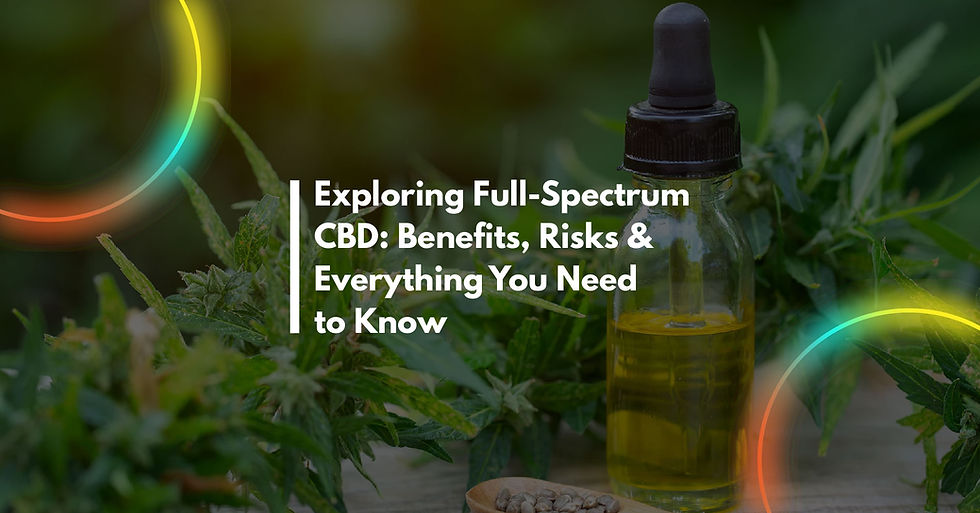
In recent years, full-spectrum CBD has emerged as a promising natural remedy for various health conditions. Derived from the hemp plant, it has gained significant attention for its potential therapeutic benefits. In this comprehensive guide, we will explore what full-spectrum CBD is, its potential advantages, and the associated risks. Whether you're new to CBD or seeking in-depth information, this article will provide valuable insights into this intriguing natural compound.
## Table of Contents
1. **Understanding Full-Spectrum CBD**
- Definition and Composition
- Legal Status
- How it Differs from Other CBD Types
2. **The Endocannabinoid System: A Brief Overview**
- Role in Homeostasis
- Receptors and Cannabinoids
3. **Benefits of Full-Spectrum CBD**
- Pain Management
- Anxiety and Stress Relief
- Sleep Enhancement
- Anti-Inflammatory Effects
- Potential for Neuroprotection
- Antioxidant Properties
- Appetite Regulation
- Combating Substance Abuse
4. **Potential Risks and Side Effects**
- Drug Interactions
- Psychoactive Effects
- Dry Mouth
- Dizziness
- Diarrhea
## 1. Understanding Full-Spectrum CBD
### Definition and Composition
Full-spectrum CBD, short for full-spectrum cannabidiol, is a type of CBD extract that contains all the naturally occurring compounds found in the cannabis plant, particularly hemp. These compounds include various cannabinoids, terpenes, and trace amounts of THC (tetrahydrocannabinol), which is the psychoactive component in cannabis. Full-spectrum CBD is often praised for its ability to harness the "entourage effect," where these compounds work synergistically to enhance the therapeutic effects of CBD.
### Legal Status
The legal status of full-spectrum CBD varies by country and even within different states or regions. In the United States, the 2018 Farm Bill legalized the cultivation and sale of hemp-derived CBD products, provided they contain no more than 0.3% THC. However, it's essential to check local regulations before purchasing or using full-spectrum CBD products.
### How it Differs from Other CBD Types
Full-spectrum CBD is just one of several types of CBD extracts available on the market. Here's how it differs from other common types:
- **Broad-Spectrum CBD:** Similar to full-spectrum CBD but with one significant difference – it contains no THC. This type is suitable for individuals who want to avoid THC entirely while still benefiting from the entourage effect.
- **CBD Isolate:** This purest form of CBD contains no other compounds found in the cannabis plant. It's ideal for those who want to experience the effects of CBD without any interaction with other cannabinoids or terpenes.
## 2. The Endocannabinoid System: A Brief Overview
Before we dive into the potential benefits and risks of full-spectrum CBD, let's take a moment to understand the endocannabinoid system (ECS), which plays a pivotal role in how CBD interacts with our bodies.
### Role in Homeostasis
The ECS is a complex cell-signaling system that helps maintain homeostasis – the body's internal balance. It regulates various physiological processes, including mood, sleep, appetite, immune response, and pain perception. The ECS consists of three main components: endocannabinoids (produced by the body), receptors (located throughout the body), and enzymes responsible for breaking down endocannabinoids.
### Receptors and Cannabinoids
The two primary types of receptors in the ECS are CB1 and CB2 receptors:
- **CB1 receptors** are primarily found in the brain and central nervous system. They play a crucial role in regulating pain, mood, appetite, and memory.
- **CB2 receptors** are mainly found in the peripheral nervous system and immune cells. They are involved in modulating inflammation and immune responses.
When you consume full-spectrum CBD, it interacts with these receptors and influences the endocannabinoid system, potentially leading to various therapeutic effects.
## 3. Benefits of Full-Spectrum CBD
Full-spectrum CBD has gained popularity for its potential health benefits. While research is still ongoing, numerous anecdotal reports and some scientific studies suggest that it may offer the following advantages:
### Pain Management
One of the most well-known uses of full-spectrum CBD is for pain management. It is believed to interact with the ECS to reduce pain perception and inflammation. People with chronic conditions, such as arthritis, have reported relief after using full-spectrum CBD products.
### Anxiety and Stress Relief
Anxiety and stress are common mental health issues affecting millions of people worldwide. Full-spectrum CBD may have anxiolytic (anti-anxiety) properties, helping individuals manage these symptoms. Some users report feeling calmer and more relaxed after using CBD.
### Sleep Enhancement
Sleep disorders, including insomnia, can have a significant impact on a person's overall well-being. Full-spectrum CBD may promote better sleep by addressing underlying issues such as anxiety and pain. Improved sleep quality and increased total sleep time have been reported by some users.
### Anti-Inflammatory Effects
Inflammation is the body's natural response to injury or infection, but chronic inflammation can lead to various health problems. Full-spectrum CBD's anti-inflammatory properties may help reduce inflammation and alleviate symptoms associated with conditions like inflammatory bowel disease (IBD) and arthritis.
### Potential for Neuroprotection
Research suggests that full-spectrum CBD may have neuroprotective properties. It may help protect neurons from damage, making it a potential candidate for the treatment of neurodegenerative diseases such as Alzheimer's and Parkinson's disease.
### Antioxidant Properties
Antioxidants play a crucial role in neutralizing harmful free radicals in the body. Full-spectrum CBD contains various terpenes and cannabinoids with antioxidant properties, potentially contributing to overall health and well-being.
### Appetite Regulation
For individuals struggling with appetite issues, whether due to medical conditions or medication side effects, full-spectrum CBD may help regulate appetite. It can stimulate appetite in cases of under-eating or help reduce it in cases of overeating.
### Combating Substance Abuse
There is emerging research suggesting that full-spectrum CBD may aid in substance abuse treatment. It could potentially reduce cravings and withdrawal symptoms associated with drugs like opioids.
It's important to note that individual responses to full-spectrum CBD can vary, and not everyone may experience the same benefits. Additionally, the effectiveness of CBD for specific conditions may depend on factors such as dosage, frequency of use, and the individual's overall health.
## 4. Potential Risks and Side Effects
While full-spectrum CBD is generally considered safe, it's essential to be aware of potential risks and side effects, especially when using it for the first time.
### Drug Interactions
CBD can interact with certain medications, potentially affecting their effectiveness. If you are taking prescription medications, it's crucial to consult with a healthcare professional before using full-spectrum CBD to avoid potential interactions.
### Psychoactive Effects
Although full-spectrum CBD contains only trace amounts of THC (0.3% or less), some individuals may be sensitive to THC and experience mild psychoactive effects, such as feeling "high
" or altered perception. This is more likely to occur with higher doses of full-spectrum CBD.
### Dry Mouth
Dry mouth, also known as "cottonmouth," is a common side effect of CBD. It occurs due to CBD's interaction with the ECS, which can temporarily reduce saliva production. Staying hydrated can help alleviate this symptom.
### Dizziness
Some users have reported dizziness or lightheadedness after taking full-spectrum CBD. This side effect is usually mild and temporary but can be more pronounced with high doses.
### Diarrhea
Digestive issues, including diarrhea, have been reported by some CBD users. If you experience gastrointestinal discomfort, it's advisable to reduce the dosage or discontinue use and consult with a healthcare professional.
## Conclusion
Full-spectrum CBD, with its potential therapeutic benefits and the entourage effect, has become a prominent player in the world of natural remedies. While it shows promise in various areas, including pain management, anxiety relief, and sleep enhancement, it's essential to approach it with caution and consult a healthcare professional, especially if you have underlying medical conditions or are taking medications.
As the field of CBD research continues to expand, we can expect more insights into its benefits and risks. Whether you choose full-spectrum CBD, broad-spectrum CBD, or CBD isolate, always prioritize safety and informed decision-making. Remember that individual experiences can vary, so it's important to find the right CBD product and dosage that works best for you.
Incorporating full-spectrum CBD into your wellness routine may provide a natural path toward better health and improved quality of life, but it should complement, not replace, other healthcare strategies and treatments.
Written and resource by World Web Hemp
For support visit worldwebhemp.com
Best Cannabis and CBD web agency


Comments